Why Property Investors Rely on Renovation Inspections

Renovations can make a property look brand new. For investors, that is only half the story. What matters just as much is what’s behind the walls, above the ceiling, and under the finishes.
That is where renovation inspections for investors come in. They show you whether the work was done correctly, whether shortcuts were taken, and whether the property is ready to perform as an asset, not just pose for photos.
What are Renovation Inspections?
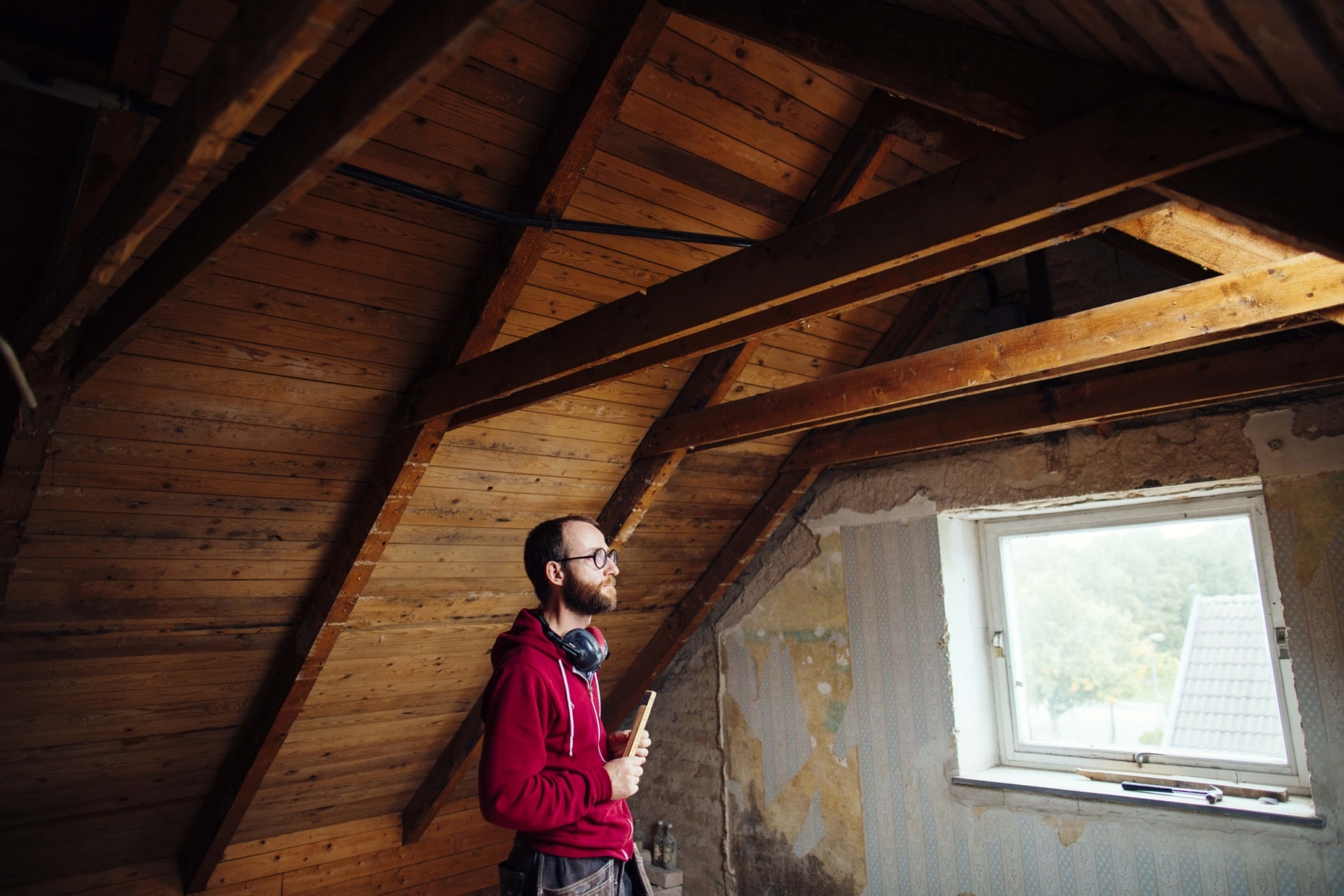
Renovation inspections are focused evaluations of a property that has been remodeled, updated, or rebuilt. Instead of looking only at age and general condition, it zeroes in on the areas that were changed.
That can include:
- Structural changes
- New or rerouted electrical
- Updated plumbing and fixtures
- New HVAC systems or relocated equipment
- New roofing, windows, or exterior openings
The goal is simple. Confirm that the work is safe, functional, and compliant, so the investment behind it makes sense.
Why Investors Use Renovation Inspections
Investors are looking for predictable returns, not surprises. Renovation inspections for investors help reduce guesswork in a few key ways.
Hidden Problems Behind Cosmetic Work
Fresh paint, new flooring, and updated fixtures can hide serious problems. It is common to see:
- Old wiring left inside new walls
- Bathrooms tiled over damp or damaged backer board
- New roofs installed over compromised decking
- Framing altered to create an open layout, without proper support
These issues do not always show up during a quick walkthrough or basic disclosure. An inspection looks past the cosmetic work and focuses on the quality of what was actually changed.
Code and Permit Issues
If major work was done without permits or without following local requirements, the property can become a future problem.
A renovation inspection can highlight areas where:
- Work does not match what permits show
- Safety standards are not met
- Materials or methods are not appropriate for local codes
Catching this early allows investors to negotiate repairs, walk away, or budget realistically instead of inheriting someone else’s cut corners.
Avoid Insurance Headaches Before They Start
Insurance carriers pay close attention to updated systems, especially electrical, roofing, and plumbing. When a claim is filed and it turns out the work was not done correctly, coverage can be delayed or challenged.
A renovation inspection produces documentation that shows the condition of those systems at the time of purchase. For investors working with older housing stock that has been “brought up to date,” that record helps support insurance applications and future claims.
Keeping the Build Honest During Construction
For investors who are running their own projects, renovation inspections do not need to wait until the property is finished.
Phase inspections during framing, rough-in, and mechanical installation can:
- Catch mistakes before they get buried
- Help keep contractors aligned with plans and scope
- Reduce the chance of paying to redo work later
If you are not on-site every day, a third-party inspector acts as your quality control, making sure the property is built the way you are paying for it to be built.
When To Schedule Renovation Inspections
There are three main points in the investment cycle where renovation inspections are especially useful.
Before Buying a Renovated Property
If you are buying a property that is already renovated or “flip ready,” an inspection before closing helps confirm whether the work is sound or just cosmetic. This is where many investors avoid problem flips that only look good in photos.
During the Renovation
For investors who hire contractors to renovate, phase inspections can be scheduled at key milestones. Examples include:
- After framing changes
- Following electrical and plumbing rough-in
- After roof replacement
- Before insulation and drywall
Issues found at this stage are usually cheaper and easier to correct.
After Completion
A final renovation inspection before listing or renting helps make sure the finished product is safe, functional, and ready for tenants or buyers. It also gives you a clean, documented baseline of condition.
What We Look For During Renovation Inspections
At Divinity Inspection Services, we focus on the areas that most often cause trouble later. We:
- examine structural changes to make sure load bearing elements were not compromised.
- inspect roofing and flashing to make sure water is properly managed and not being trapped.
- review HVAC installations to confirm airflow, sizing, and proper setup.
- check plumbing upgrades for proper connections, drainage, and water heater installation.
- inspect electrical systems closely, especially panels, outlets, grounding, and safety protection.
- look behind finishes when possible, including attics and crawlspaces, to see what the cosmetic work is hiding.
- review visible permit and workmanship indicators when available.
Our reports include photos, clear explanations, and practical next steps that investors can use to negotiate, budget, or hold contractors accountable.
Protecting Timeline and Budget
Renovation work is expensive. Holding costs keep ticking while the project moves along. When serious issues pop up late in the process, they do not just cost money. They cost time.
Using renovation inspections for investors at the right points in the project helps:
- Identify problems early
- Avoid repeat work
- Support change orders with clear evidence
- Keep projects closer to schedule and budget
A few hours of inspection time often prevents costly delays during listing, appraisal, or buyer inspections later.
Why This Matters Even More in Florida
Tampa Bay properties face heat, humidity, heavy rain, and the occasional storm that puts every part of a structure to the test. Renovations that are only skin deep do not hold up long in this environment.
Poor waterproofing, inadequate ventilation, or low-quality materials can fail quickly. When that happens, the investment loses value faster than expected.
Renovation inspections for investors in Florida are not simply “nice to have.” They are an important way to verify that the work underneath the fresh finishes can stand up to local conditions.
Schedule Your Renovation Inspection
If you are investing in renovated property or managing renovations in Tampa and the surrounding area, guessing is expensive. Clear information is not.
Divinity Inspection Services provides renovation inspections for investors who want to know exactly what they are buying or building. Reach out to schedule an inspection before you close, before you cover up the work, or before you list.
Solid information now protects your returns later.



Leave a Reply
Want to join the discussion?Feel free to contribute!