
Top 5 Pool Issues in Tampa Homes

Living in Tampa means enjoying warm weather and outdoor pools. However, owning a pool comes with being responsible for upkeep. As a homeowner, you must recognize issues that can arise. Knowing what problems to look for ensures safety and maintains your investment.
Divinity Inspection Service will review the top 5 pool issues in Tampa. Then, you can identify concerns quickly, preventing them from becoming extensive and costly.
#1 Pool Issue: Algae Growth
When examining the top 5 pool issues in Tampa, the king is algae growth. Tampa’s hot and humid weather creates an ideal environment for algae to thrive in pools. Besides the heat, several factors contribute to algae growth in Tampa pools.
Blue-green algae blooms are common in pools. They grow in Tampa due to excess nutrients like phosphate and nitrogen entering the pool through wastewater, stormwater, and agricultural runoff.
Poor pool sanitation, pH imbalances, and low alkalinity can cause algae growth. Chlorine is a primary sanitizer, killing bacteria and algae. Algae can flourish when levels are low. Secondly, imbalanced pH reduces chlorine’s effectiveness. This creates conditions that allow algae to grow.
Alkalinity is a buffering agent that helps maintain the water’s pH. If it’s too low or too high, algae may develop.
Lastly, poor filtration compromises water quality, allowing debris and algae to build up. Once algae is in your pool, it can harm your health. Algae can create a breeding ground for other bacteria, resulting in skin rashes, eye infections, and respiratory issues.
Regular maintenance is crucial to prevent algae buildup.
How to Prevent Pool Algae
Due to Florida’s climate, pool algae can run rampant. Here are a few ways to prevent this pesky microorganism and keep your pool area clean and safe.
Maintain Proper Chemical Levels
Regularly test and adjust chlorine and pH levels to keep water levels balanced.
Regular Cleaning
Skim debris, brush pool walls, and vacuum the pool floor weekly. Cleaning removes organic debris and keeps the water clean and balanced. Algae thrive on organic matter, like dead plants, leaves, and pollen.
Monitor Water Circulation
Ensure the pool pump and filter are functioning correctly to promote water movement.

Pool Issue #2: Clogged Pool Filters & Equipment Malfunctions
Another common pool issue in Tampa is filter clogs and equipment malfunctions. Owners use their pools often, exposing them to the weather, which can damage filters and pumps.
Pool filters can clog due to dirt and debris trapped within the filter. Sand, leaves, and bacteria are common contaminants. Clogs happen when the filter isn’t cleaned often or if the pool’s water chemistry is off.
Clogged filters can cause cloudy water, reduce water circulation, affect water quality, and increase energy use. As a result, the filter may require replacement.
Avoid Clogged Pool Filters
If you’re experiencing frequent clogged pool filters, you have to follow these two tips.
Regular Inspections
Regular inspections check for clogs, wear and tear, and unusual noises. Scheduling inspections ensures you address problems quickly.
Professional Maintenance
Schedule annual and seasonal maintenance with a certified pool technician. Maintenance will help with early repairs, keeping your pool at its best.
Pool Issue #3: Chemical Imbalances
Tampa’s weather often swings from high heat to heavy rain. These changes can cause your pool to have chemical imbalances. Rain may lead to debris accumulation. Temperature fluctuations can also significantly impact pool chemistry. Weather extremes can affect chemical reaction rates and effectiveness.
Hot weather can speed up chlorine breakdown and increase evaporation. Evaporation can create mineral concentration, cloudy water, and scaling.
As a result, you’ll need higher chlorine levels to maintain proper sterilization. Failing to sterilize can worsen these issues and create pH imbalances. Unbalanced water can irritate the skin, harm pool equipment, and encourage algae growth.
Ways to Avoid Chemical Imbalances
Avoiding chemical imbalances is super important. Here are 5 ways you can dodge them and keep your pool pristine.
Test Pool Water Often
Use test strips or digital kits at least twice weekly, especially after storms or heat waves. You can buy these test kits at local Tampa Bay pool supply stores.
Balance pH, Chlorine, and Bromine Levels
Keep pH between 7.2 and 7.8. Maintain chlorine levels between 1–4 parts per million (ppm) to kill germs. If you’re using bromine, keep the range between 3-8 ppm. The Centers for Disease Control and Prevention (CDC) recommends chlorine or bromine. They can prevent chemical imbalances and swimming-related illnesses. Both chemicals kill most germs in pool water within minutes.
When handling these substances, follow the manufacturer’s instructions. The APSP Recreations Water Quality Committee (RWQC) provides tips on Bromine chemistry.
Check the Pool for Rain and Heat Effects
Test your pool water after every storm. Tampa’s summer storms can add large amounts of water, lowering chlorine and changing pH. Test your water after every storm.
Seek Professional Help When Needed
If you’re unsure how to fix a problem, do not try it yourself. Call a local pool service to adjust chemical levels safely.

Pool Issue #4: Water Leaks from Structural Damage
Water leaks are one of the common pool issues in Tampa. Structural issues, such as cracks or leaks, can lead to water loss and costly repairs.
Some causes of leaks:
- Broken pipes
- Cracks in the pool shell
- Loose or broken fittings on the pool’s plumbing system
- Ground settling
Tampa’s hot weather and sandy soil can also increase the chances of pool leaks. Leaks can damage your pool and waste water, raising your costs.
Spot and Fix Pool Leaks!
Here are 5 ways you can spot and fix pool leaks.
Perform Bucket Test
To check for leaks, perform the bucket test. Fill a bucket with pool water and mark the level inside and outside. Then, place the bucket near the pool’s steps or nearby. After 24 hours, compare the water level changes inside and outside the bucket. If the level drops more outside the bucket, a leak is possible.
This test helps rule out evaporation as a cause. If you suspect a leak, contact a trained professional.
Check for Wet Spots
Check around the pool deck and yard for soggy ground or puddles. These may indicate leaks underground.
Inspect Pool Features
Examine pool lights, return jets, and skimmers for cracks or loose parts. These spots may cause leaks.
Hire a Leak Inspection Professional
Call a trained leak inspector to help you find the source of the pool leak. Leak detection tools can discover hidden problems without tearing up your pool.
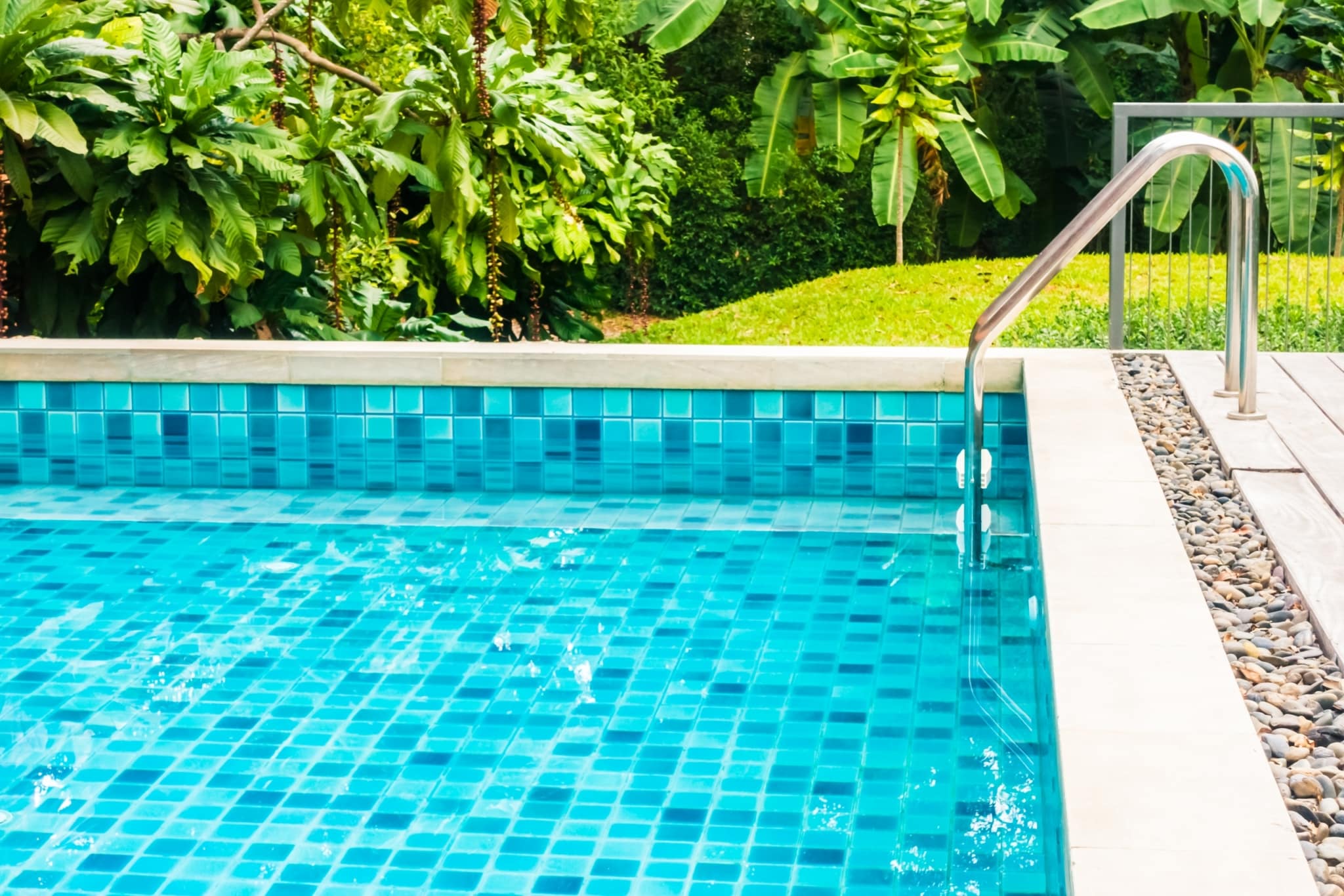
Pool Issue #5: Pool Safety Hazards
In Florida, drowning is one of the top causes of accidental death for young children ages 1 to 4. As a Tampa resident, you must make pool safety a top priority.
Some Key Safety Measures
There are a number of key safety measures you can take to help protect your family, guests, and property.
Install a Fence and Door Alarms
Tampa law requires a barrier around residential swimming pools. Use a fence at least 4 feet high with a self-closing gate. However, fences of at least 5 feet are preferable. If an outside wall of the home is one side of the barrier, install door alarms on all doors that lead to the pool area. All doors must have self-latching devices or locks beyond children’s reach. Locks keep children from opening the doors and gaining pool access.
If you need additional guidance on pool barriers, visit FloridaHealth.gov. Their website has additional regulations surrounding permitted types of pool barriers.
Never Leave Children Unattended
Never leave a child unsupervised in the pool area. Even a few seconds of unsupervised play can result in serious danger.
Also, never assume someone else is watching your child. It is your duty as a parent to watch your child, especially during pool playtime.
You can assign a designated watcher during social gatherings. Make sure the designated watcher is someone you can trust. Namely, appoint someone who knows what to do in an emergency and is physically able to respond.
Learn CPR
Taking quick action during emergencies can save lives. You can be better prepared for pool safety with CPR training. The American Red Cross and American Heart Association offer online CPR training courses.
Visit the City of Tampa Pool Safety page and the CDC’s drowning prevention webpage for more rules and tips. Remember, there is no such thing as being too safe! The more protections, the better.
Hire Divinity Inspection Service for Professional Pool Leak Inspections!
Being aware of Tampa’s most common pool issues allows you to take a proactive approach. With quick action and regular upkeep, you can enjoy your pool. Always consult professionals for pool servicing. Experts ensure you adhere to local safety regulations.
For local leak inspections, consult with Divinity Inspection Service. Our certified technicians use an electronic Leakalyzer to find sources of water loss. This device enables us to identify leaks within 5 minutes. We also provide Leak Status Certifications for pool owners.
Contact our leak detection experts today to find your pool’s leak!



Leave a Reply
Want to join the discussion?Feel free to contribute!